Hard boiled eggs are a versatile and nutritious addition to any meal. Whether you're preparing them for breakfast, adding them to a salad, or using them as a protein-packed snack, this simple recipe will ensure perfectly cooked eggs every time.
The only ingredient you need for this recipe is a large egg, which is a common household item. However, if you don't have eggs at home, you can easily find them in the dairy section of any supermarket. Make sure to choose fresh eggs for the best results.
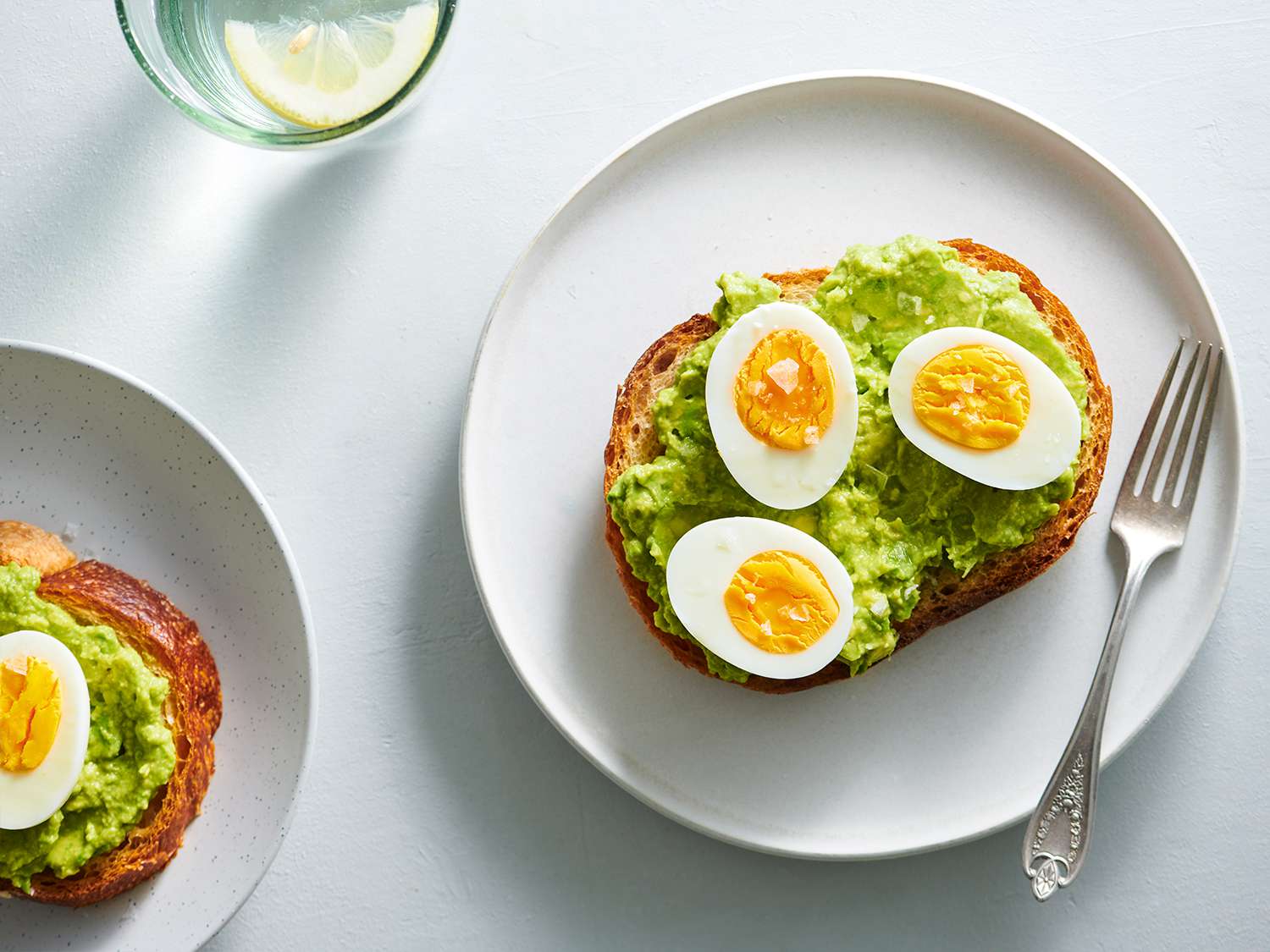
Ingredients For Hard Boiled Egg Recipe
Egg: The main ingredient, providing protein and essential nutrients. Water: Used to boil the egg, ensuring it cooks evenly.
Technique Tip for Perfect Hard Boiled Eggs
For perfectly cooked hard boiled eggs, use eggs that are at least a week old. Fresher eggs are harder to peel due to their lower pH levels. After boiling, gently tap the egg on a hard surface and roll it to create cracks all over the shell. This will make peeling easier and help you achieve a smooth, clean surface.
Suggested Side Dishes
Alternative Ingredients
large egg - Substitute with tofu: Tofu can be used as a plant-based alternative to eggs. Firm tofu, when crumbled and seasoned, can mimic the texture of hard-boiled eggs.
large egg - Substitute with chickpea flour: Chickpea flour mixed with water and cooked can create an egg-like consistency, suitable for those avoiding eggs.
water - Substitute with vegetable broth: Using vegetable broth instead of water can add extra flavor to the cooking process, especially if the eggs are being used in a savory dish.
Alternative Recipes Similar to Hard Boiled Eggs
How to Store or Freeze Hard Boiled Eggs
- Ensure the hard boiled eggs are completely cooled before storing. This can be achieved by placing them in a bowl of ice water for about 5-10 minutes after boiling.
- Once cooled, gently dry the eggs with a clean towel or paper towel to remove any excess moisture.
- Place the eggs in an airtight container. If you prefer, you can leave the eggs in their shells to help retain moisture and prevent them from absorbing any odors from the refrigerator.
- If you choose to peel the eggs before storing, wrap each egg in a slightly damp paper towel to maintain their moisture and then place them in an airtight container.
- Store the container in the refrigerator. Hard boiled eggs can be safely stored in the refrigerator for up to one week.
- For freezing, it’s best to peel the eggs first. The egg whites can become rubbery when frozen, so consider freezing only the yolks.
- To freeze the yolks, place them in a single layer on a baking sheet and freeze until solid. Once frozen, transfer the yolks to a freezer-safe bag or container.
- Label the container with the date to keep track of freshness. Frozen egg yolks can be stored for up to three months.
- When ready to use, thaw the yolks in the refrigerator overnight. They can be used in various recipes such as egg salad, deviled eggs, or as a topping for salads and soups.
- Avoid freezing whole hard boiled eggs as the texture of the whites can become unappetizing.
How to Reheat Leftover Hard Boiled Eggs
- Place the hard boiled egg in a microwave-safe bowl and cover with water. Microwave on medium power for about 1 minute. Be cautious as the egg can explode if overheated.
- Submerge the hard boiled egg in a bowl of hot water for about 5 minutes. This method gently warms the egg without overcooking it.
- Steam the hard boiled egg by placing it in a steamer basket over boiling water for 3-5 minutes. This method helps maintain the egg's texture.
- Slice the hard boiled egg and sauté in a pan with a bit of olive oil or butter for a couple of minutes, just until warmed through. This adds a delightful richness to the egg.
- If using the hard boiled egg in a soup or stew, simply add it to the hot liquid and let it sit for a few minutes to heat up.
Essential Tools for Perfectly Boiled Eggs
Saucepan: A deep cooking pan with a handle, used to hold the egg and water while boiling.
Stove: The heat source to bring the water to a boil.
Lid: Used to cover the saucepan after turning off the heat to retain the heat and cook the egg.
Bowl: A container to hold the ice water for cooling the egg.
Ice: Used to create an ice water bath to stop the cooking process and cool the egg quickly.
Water: Essential for boiling the egg and creating the ice water bath.
Timer: To keep track of the time the egg sits in the hot water for the desired doneness.
Spoon: Useful for gently placing the egg into the saucepan and transferring it to the ice water bath.
Peeler: Optional, but can be used to help peel the egg if needed.
Time-Saving Tips for Making Hard Boiled Eggs
Use an egg timer: An egg timer ensures precise cooking time, so you don't have to watch the clock.
Boil in batches: Cook multiple eggs at once to save time for future meals.
Pre-boil water: Start with boiling water to reduce overall cooking time.
Peel under water: Peeling eggs under running water makes the shell come off more easily.
Store in fridge: Keep hard-boiled eggs in the fridge for quick snacks or meal prep.
Hard Boiled Egg Recipe
Ingredients
Main Ingredients
- 1 large Egg
- enough Water to cover the egg
Instructions
- Place the egg in a saucepan and cover with water.
- Bring water to a boil over medium-high heat.
- Once boiling, turn off the heat and cover the pan.
- Let the egg sit in the hot water for 9-12 minutes, depending on desired doneness.
- Remove the egg and place in a bowl of ice water to cool.
- Peel and enjoy.
Nutritional Value
Keywords
More Amazing Recipes to Try 🙂
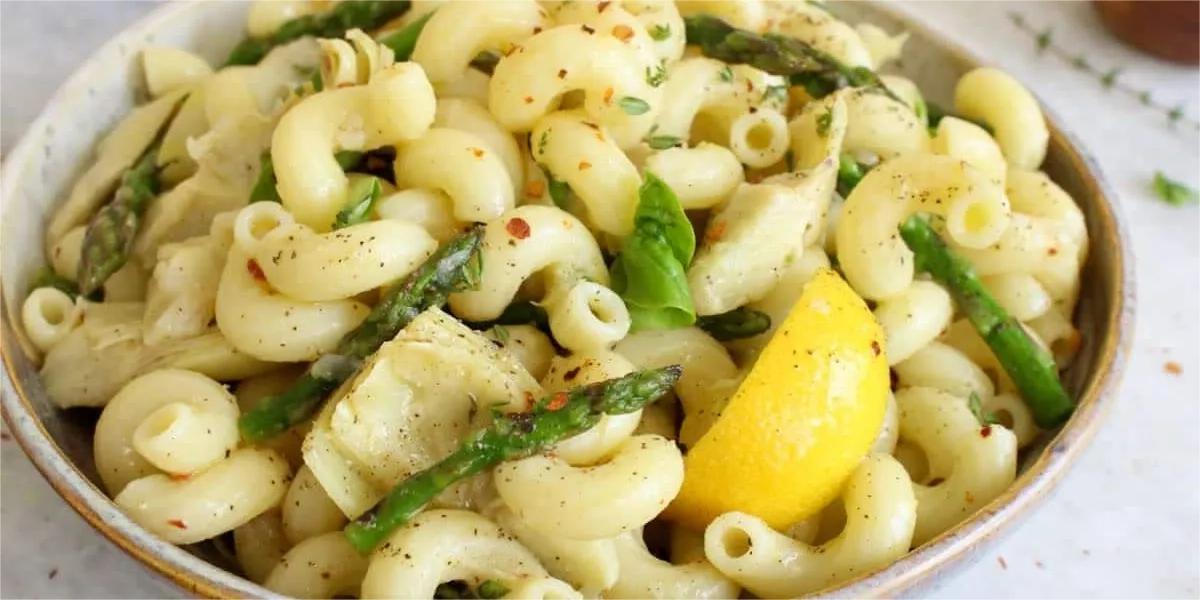
- Summer Pasta Salad Recipe25 Minutes
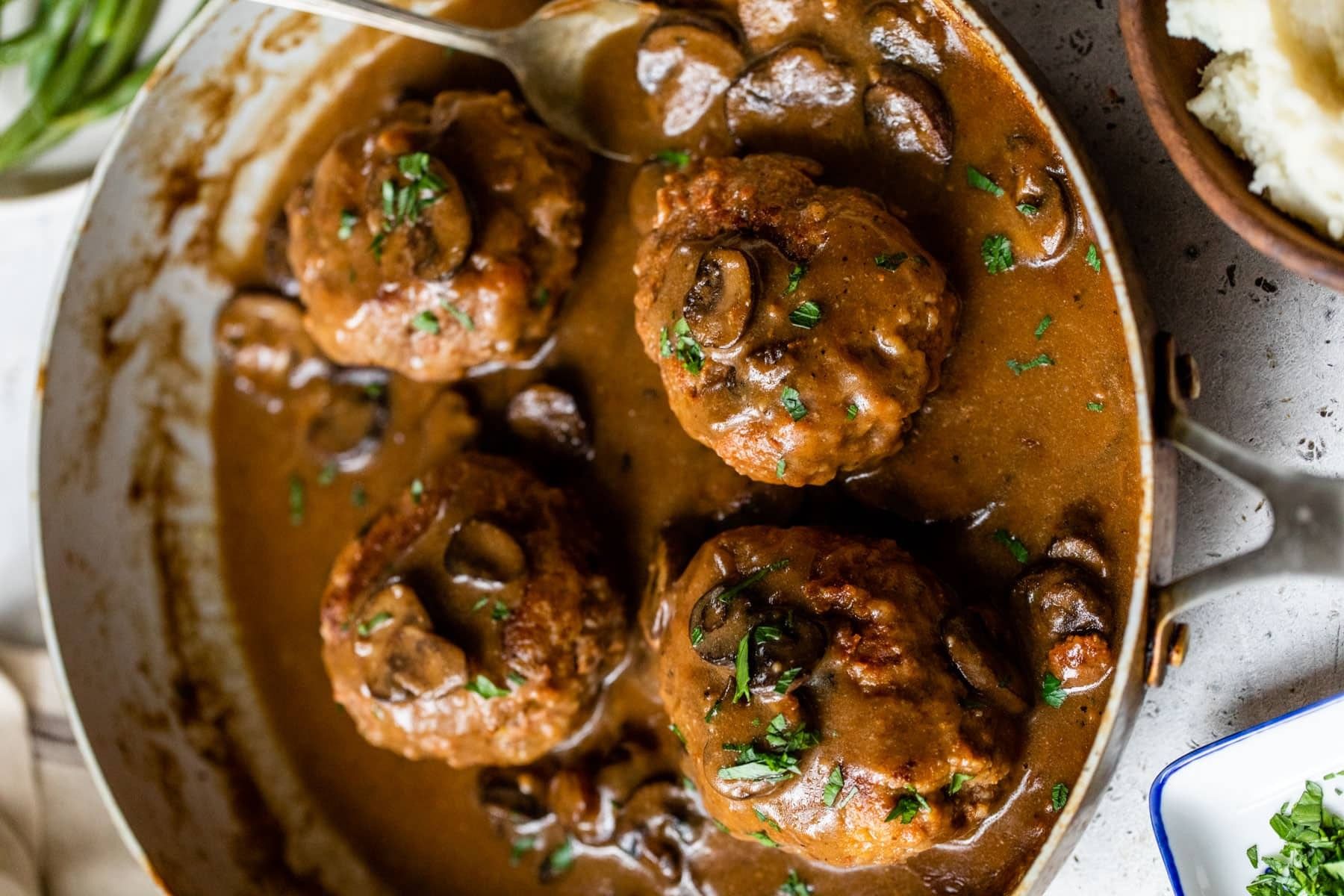
- Salisbury Steak Recipe45 Minutes
- Muffins Recipe35 Minutes
- Egg Fried Rice Recipe25 Minutes
- Chilaquiles Recipe25 Minutes
- Fruit Salad Recipe15 Minutes
- Cottage Cheese Scrambled Eggs Recipe10 Minutes
- Cobb Salad Recipe30 Minutes





Leave a Reply