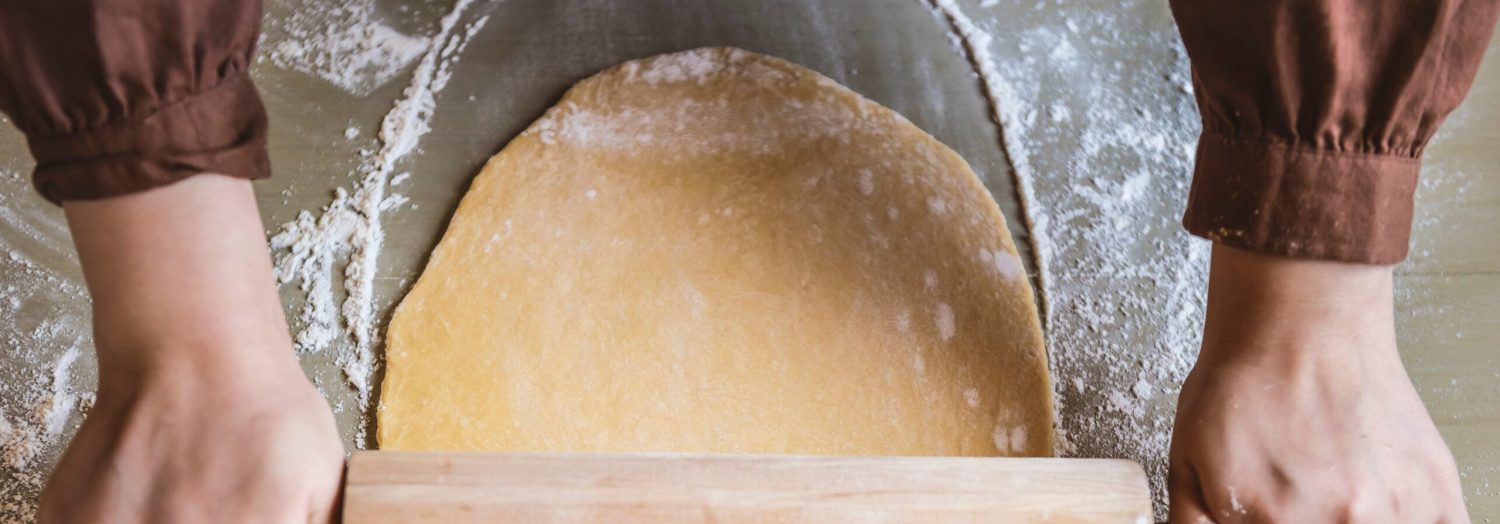
This pesto pasta recipe is a delightful blend of fresh flavors and creamy textures, perfect for a quick weeknight dinner or a special occasion. The vibrant basil and rich parmesan cheese create a harmonious sauce that clings beautifully to your favorite pasta. It's a dish that brings a taste of Italy to your table with minimal effort.
Some ingredients in this recipe might not be commonly found in every pantry. Fresh basil leaves are essential for the authentic flavor of pesto. Toasted pine nuts add a unique nutty taste and creamy texture, which might require a trip to the supermarket. Ensure you pick up high-quality olive oil and freshly grated parmesan cheese for the best results.
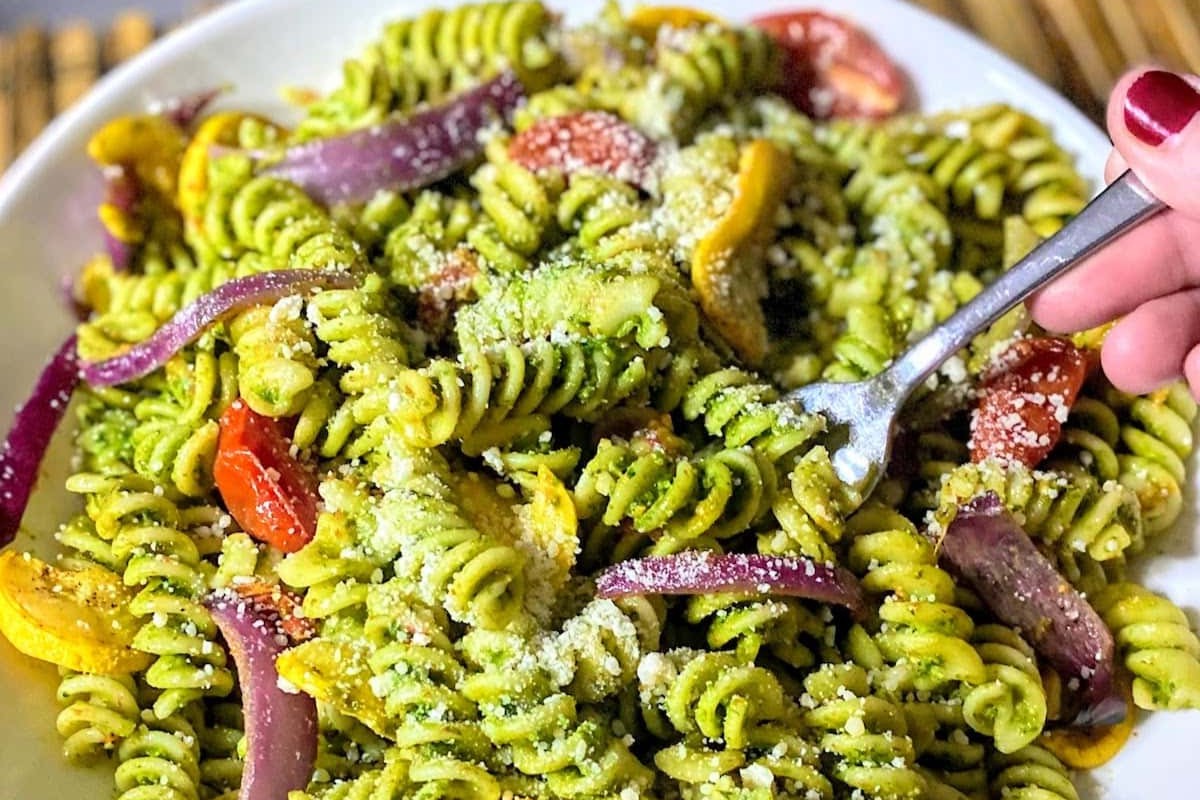
Ingredients For Pesto Pasta Recipe
Basil leaves: Fresh and aromatic, these leaves are the star of the pesto sauce.
Olive oil: Provides a rich, smooth base for the pesto, enhancing the flavors.
Parmesan cheese: Adds a salty, umami depth to the sauce.
Toasted pine nuts: Contribute a creamy, nutty flavor that complements the basil.
Garlic: Adds a pungent, savory kick to the pesto.
Salt: Enhances all the flavors in the dish.
Pasta: The vehicle for the delicious pesto sauce, choose your favorite type.
Technique Tip for This Recipe
To enhance the flavor of your pesto sauce, lightly toast the pine nuts in a dry skillet over medium heat until they are golden brown and fragrant. This will bring out their natural oils and add a deeper, nuttier flavor to your pesto. Be sure to keep an eye on them and stir frequently to prevent burning.
Suggested Side Dishes
Alternative Ingredients
fresh basil leaves - Substitute with spinach leaves: Spinach provides a similar texture and mild flavor, making it a good alternative for basil in pesto.
fresh basil leaves - Substitute with arugula: Arugula adds a peppery taste, offering a different but complementary flavor profile to the pesto.
olive oil - Substitute with avocado oil: Avocado oil has a similar consistency and a mild flavor that works well in pesto.
olive oil - Substitute with sunflower oil: Sunflower oil is a neutral oil that can replace olive oil without altering the taste significantly.
grated parmesan cheese - Substitute with pecorino romano: Pecorino Romano has a similar texture and a slightly stronger flavor, making it a good substitute for Parmesan.
grated parmesan cheese - Substitute with nutritional yeast: Nutritional yeast provides a cheesy flavor and is a great vegan alternative to Parmesan.
toasted pine nuts - Substitute with toasted walnuts: Walnuts have a similar texture and a slightly earthy flavor that complements the pesto.
toasted pine nuts - Substitute with toasted almonds: Almonds offer a mild, nutty flavor and a similar crunch, making them a good alternative to pine nuts.
minced garlic - Substitute with garlic powder: Garlic powder can be used in smaller quantities to provide a similar garlic flavor.
minced garlic - Substitute with shallots: Shallots offer a milder, sweeter flavor that can be a good alternative to garlic.
salt - Substitute with soy sauce: Soy sauce adds saltiness along with a bit of umami, enhancing the overall flavor of the pesto.
salt - Substitute with sea salt: Sea salt provides a similar salty taste but with a slightly different mineral profile.
any type pasta - Substitute with zucchini noodles: Zucchini noodles are a low-carb alternative that can be used in place of traditional pasta.
any type pasta - Substitute with whole wheat pasta: Whole wheat pasta offers more fiber and nutrients, making it a healthier alternative to regular pasta.
Other Alternative Recipes Similar to This Dish
How to Store or Freeze This Dish
Allow the pesto pasta to cool to room temperature before storing. This prevents condensation, which can make the pasta soggy.
Transfer the cooled pasta into an airtight container. Ensure the container is sealed properly to maintain freshness and prevent any odors from seeping in.
For short-term storage, place the container in the refrigerator. The pesto pasta will stay fresh for up to 3-4 days.
If you plan to keep the pasta longer, consider freezing it. Divide the pasta into individual portions for easy reheating later.
To freeze, place the portions in freezer-safe bags or containers. Squeeze out as much air as possible before sealing to prevent freezer burn.
Label the containers with the date to keep track of how long the pesto pasta has been stored.
When ready to enjoy, thaw the frozen pasta in the refrigerator overnight. This gradual thawing helps maintain the texture and flavor.
Reheat the pasta gently on the stovetop or in the microwave. Add a splash of olive oil or a bit of water to help loosen the sauce and restore its creamy consistency.
For an extra burst of flavor, consider adding a handful of fresh basil leaves or a sprinkle of parmesan cheese just before serving.
How to Reheat Leftovers
Stovetop Method:
- Place a non-stick skillet over medium heat.
- Add a splash of olive oil or a small amount of water to the skillet.
- Add the leftover pesto pasta to the skillet.
- Stir frequently to ensure even heating and to prevent sticking.
- Heat until the pasta is warmed through, about 5-7 minutes.
Microwave Method:
- Place the pesto pasta in a microwave-safe dish.
- Add a tablespoon of water or olive oil to keep the pasta from drying out.
- Cover the dish with a microwave-safe lid or plastic wrap, leaving a small vent.
- Microwave on medium power for 1-2 minutes.
- Stir the pasta and check the temperature. If needed, continue microwaving in 30-second intervals until heated through.
Oven Method:
- Preheat your oven to 350°F (175°C).
- Place the pesto pasta in an oven-safe dish.
- Add a splash of water or olive oil to keep the pasta moist.
- Cover the dish with aluminum foil to prevent drying out.
- Bake for about 15-20 minutes, or until the pasta is heated through.
Double Boiler Method:
- Fill a large pot with water and bring it to a simmer.
- Place a heatproof bowl over the pot, ensuring it doesn't touch the water.
- Add the pesto pasta to the bowl.
- Stir occasionally until the pasta is evenly heated, about 10-15 minutes.
Best Tools for This Recipe
Large pot: To cook the pasta according to package instructions.
Blender: To combine basil, olive oil, parmesan cheese, pine nuts, garlic, and salt until smooth.
Colander: To drain the cooked pasta.
Wooden spoon: To stir the pesto sauce into the pasta until well coated.
Measuring cups: To measure out the basil leaves, olive oil, parmesan cheese, and pine nuts.
Garlic press: To mince the garlic cloves.
Grater: To grate the parmesan cheese if not pre-grated.
Toaster oven: To toast the pine nuts if they are not pre-toasted.
How to Save Time on This Recipe
Prep ingredients ahead: Wash and dry basil leaves, toast pine nuts, and grate parmesan cheese in advance.
Use a food processor: A food processor can blend the pesto sauce faster than a blender.
Cook pasta efficiently: Boil water while prepping the pesto to save time.
Store pesto: Make extra pesto and freeze it in portions for quick future meals.
Multitask: While the pasta cooks, prepare the pesto ingredients to streamline the process.
Pesto Pasta Recipe
Ingredients
Pesto Sauce
- 2 cups Fresh Basil Leaves
- ½ cup Olive Oil
- ½ cup Parmesan Cheese grated
- ¼ cup Pine Nuts toasted
- 2 cloves Garlic minced
- 1 pinch Salt to taste
Pasta
- 400 grams Pasta any type
Instructions
- 1. Cook pasta according to package instructions.
- 2. In a blender, combine basil, olive oil, Parmesan cheese, pine nuts, garlic, and salt. Blend until smooth.
- 3. Drain pasta and return to pot. Stir in pesto sauce until pasta is well coated.
- 4. Serve immediately and enjoy!
Nutritional Value
Keywords
Suggested Appetizers and Desserts
More Amazing Recipes to Try 🙂
- Coquito Recipe10 Minutes
- Mulligatawny Soup Recipe1 Hours
- Johnny Cake Recipe25 Minutes
- Arnold Palmer Recipe10 Minutes
- Top Ramen Salad Recipe15 Minutes
- Blueberry Loaf Recipe1 Hours 15 Minutes
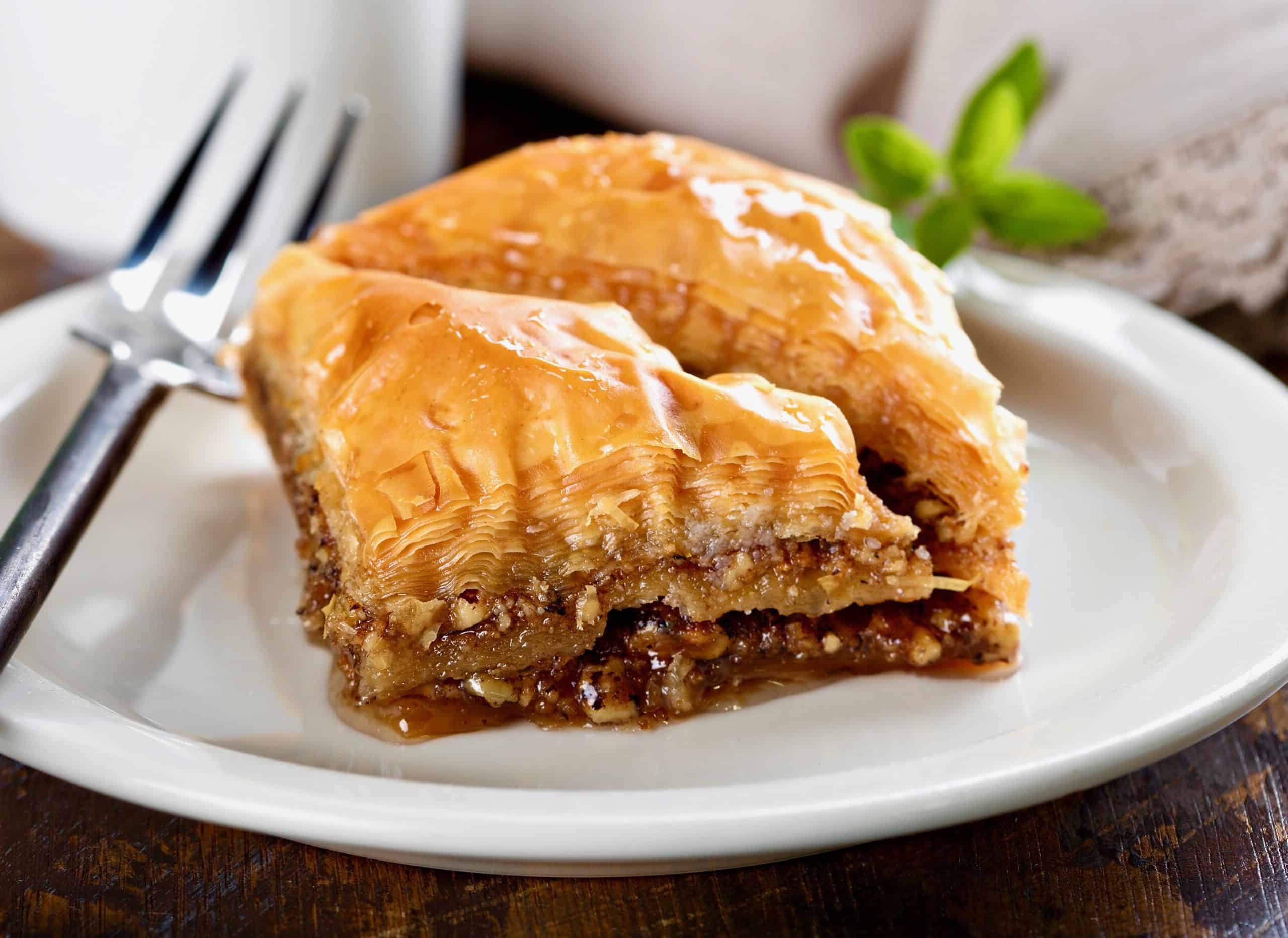
- Greek Baklava Recipe1 Hours 15 Minutes
- Chakchouka Shakshouka Recipe30 Minutes








Leave a Reply