Creating your own wine at home can be a rewarding and enjoyable experience. This simple recipe allows you to transform grape juice into a delightful homemade wine with minimal effort and equipment. Whether you're a beginner or an experienced homebrewer, this recipe is designed to be straightforward and easy to follow.
One of the key ingredients in this recipe is wine yeast, which may not be a common household item. You can find wine yeast at specialty brewing stores or online. It's important to use wine yeast rather than regular baking yeast, as it is specifically designed for fermenting wine and will yield better results.
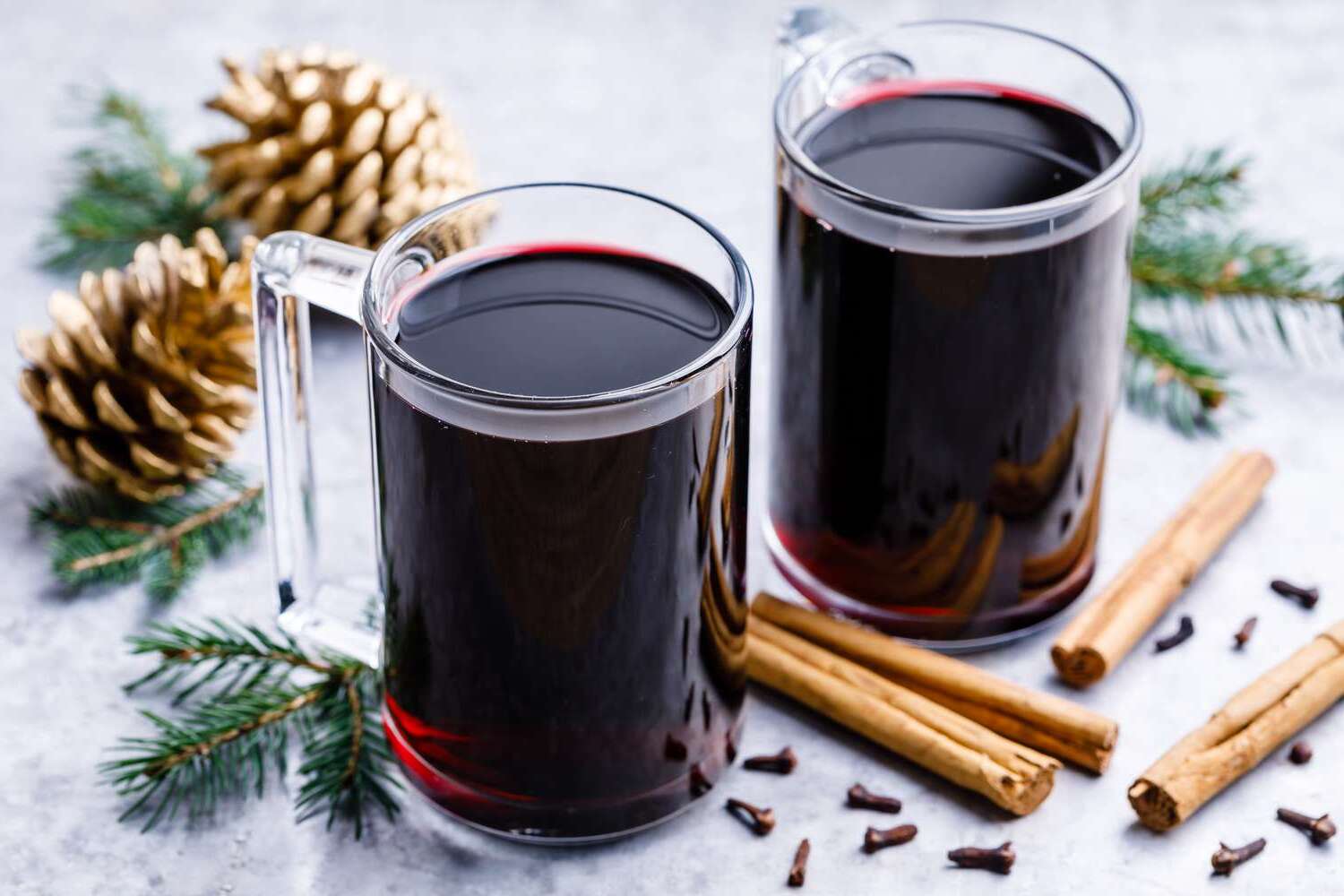
Ingredients For Wine Recipe
Grape juice: The base of your wine, make sure to use grape juice with no preservatives to ensure proper fermentation.
Sugar: Added to increase the alcohol content and balance the flavors of the wine.
Wine yeast: Essential for fermentation, converting the sugars into alcohol and giving your wine its unique character.
Technique Tip for This Recipe
Sanitizing all equipment is crucial to prevent any unwanted bacteria or wild yeast from contaminating your wine. Use a food-grade sanitizer and follow the instructions carefully. When adding the sugar to the grape juice, make sure it is fully dissolved to ensure a consistent fermentation. Stirring the wine yeast thoroughly into the mixture will help it distribute evenly, promoting a more efficient fermentation process. Keep an eye on the airlock to ensure it is functioning properly, as it allows carbon dioxide to escape while preventing oxygen from entering. This helps maintain the anaerobic environment necessary for wine production.
Suggested Side Dishes
Alternative Ingredients
grape juice - Substitute with pomegranate juice: Pomegranate juice has a rich, deep flavor and similar acidity, making it a good alternative for grape juice in wine recipes.
grape juice - Substitute with apple juice: Apple juice can provide a different but pleasant flavor profile, though it will result in a lighter and fruitier wine.
sugar - Substitute with honey: Honey can add a unique floral note to the wine and also acts as a fermentable sugar.
sugar - Substitute with agave syrup: Agave syrup is another fermentable sugar that can be used to sweeten the wine, offering a slightly different taste.
wine yeast - Substitute with champagne yeast: Champagne yeast is robust and can handle higher alcohol levels, making it a suitable alternative for wine yeast.
wine yeast - Substitute with bread yeast: Bread yeast can be used in a pinch, though it may not produce as refined a flavor as wine yeast.
Other Alternative Recipes Similar to This
How to Store or Freeze This Recipe
- Store your homemade wine in a cool, dark place to maintain its quality. A cellar or a dedicated wine fridge is ideal.
- Ensure the bottles are stored horizontally if they have corks. This keeps the cork moist and prevents it from drying out, which could let air in and spoil the wine.
- For long-term storage, maintain a consistent temperature between 50-59°F (10-15°C). Avoid temperature fluctuations as they can negatively impact the wine's flavor.
- Keep the humidity level around 70%. This helps to keep the corks from drying out and maintains the integrity of the wine.
- Avoid storing wine near strong odors or vibrations. Both can disturb the aging process and affect the taste.
- If you need to freeze wine, use a freezer-safe container and leave some space for expansion. Freezing can alter the texture and flavor, so it's best used for cooking rather than drinking.
- Thaw frozen wine in the refrigerator to preserve its quality. Once thawed, use it within a few days for best results.
- Label your wine bottles with the date of bottling and the type of wine. This helps you keep track of aging and ensures you enjoy it at its peak.
- For opened bottles, use a vacuum pump to remove air and reseal the bottle. Store it in the refrigerator and consume within 3-5 days.
- Consider using smaller bottles for freezing portions of wine that you plan to use for cooking. This way, you can thaw only what you need without compromising the rest.
How to Reheat Leftovers
- Pour the wine into a saucepan and heat it gently over low heat. Stir occasionally to ensure even heating. Avoid boiling to preserve the delicate flavors.
- Use a double boiler to reheat the wine. Fill the bottom pot with water and place the wine in the top pot. Heat gently, stirring occasionally.
- For a quick method, pour the wine into a microwave-safe container and cover it with a microwave-safe lid. Heat on medium power in 30-second intervals, stirring in between, until it reaches the desired temperature.
- If you prefer a more traditional approach, pour the wine into a clay pot and place it in a preheated oven at a low temperature (around 250°F or 120°C). Heat for about 15-20 minutes, checking occasionally.
- For an elegant touch, reheat the wine in a fondue pot. This method allows for gentle, even heating and can be a charming way to serve the wine at a gathering.
Best Tools for This Recipe
Fermentation vessel: A container where the grape juice will ferment into wine, typically made of glass or food-grade plastic.
Airlock: A device that allows gases to escape from the fermentation vessel while preventing contaminants from entering.
Sanitizer: A solution used to clean and sanitize all equipment to prevent contamination.
Siphon: A tube used to transfer the wine from the fermentation vessel to the bottles without disturbing the sediment.
Bottles: Containers used to store the finished wine.
Corks: Stoppers used to seal the bottles and preserve the wine.
Stirring spoon: A long-handled spoon used to mix the sugar and yeast into the grape juice.
Measuring cups: Tools used to measure the sugar accurately.
Hydrometer: An optional tool used to measure the specific gravity of the wine, which helps determine the alcohol content.
Thermometer: An optional tool to monitor the temperature of the fermentation environment.
How to Save Time on This Recipe
Sanitize efficiently: Use a no-rinse sanitizer to save time on cleaning your equipment.
Pre-dissolve sugar: Dissolve the sugar in a small amount of warm grape juice before adding it to the main batch.
Use a funnel: A funnel can help you pour the grape juice into the fermentation vessel quickly and without spills.
Pre-measure ingredients: Measure out the sugar and prepare the wine yeast before starting the process to streamline your workflow.
Batch preparation: If making multiple batches, prepare all ingredients and equipment at once to save time.
Wine Recipe
Ingredients
Main Ingredients
- 1 gallon Grape juice No preservatives
- 2 cups Sugar
- 1 packet Wine yeast
Instructions
- 1. Sanitize all equipment.
- 2. Pour grape juice into the fermentation vessel.
- 3. Add sugar and stir until dissolved.
- 4. Add wine yeast and stir.
- 5. Attach airlock and let ferment for 4-6 weeks.
- 6. Siphon wine into bottles and cork.
Nutritional Value
Keywords
More Amazing Recipes to Try 🙂
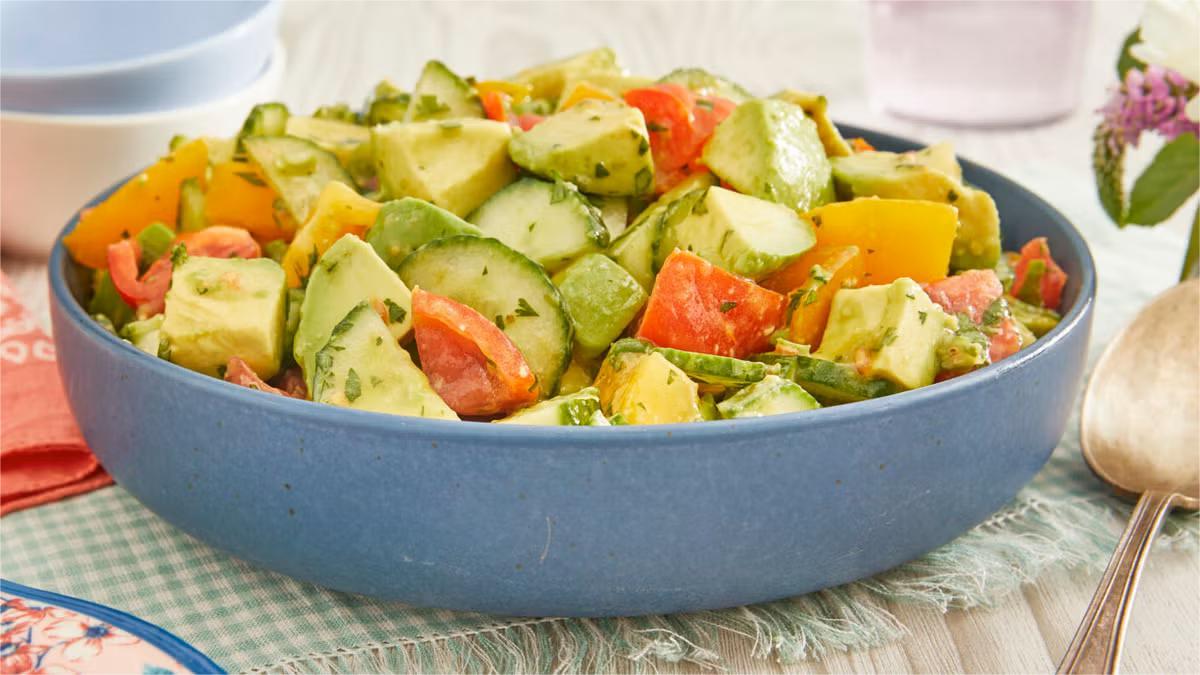
- Avocado Salad Recipe10 Minutes
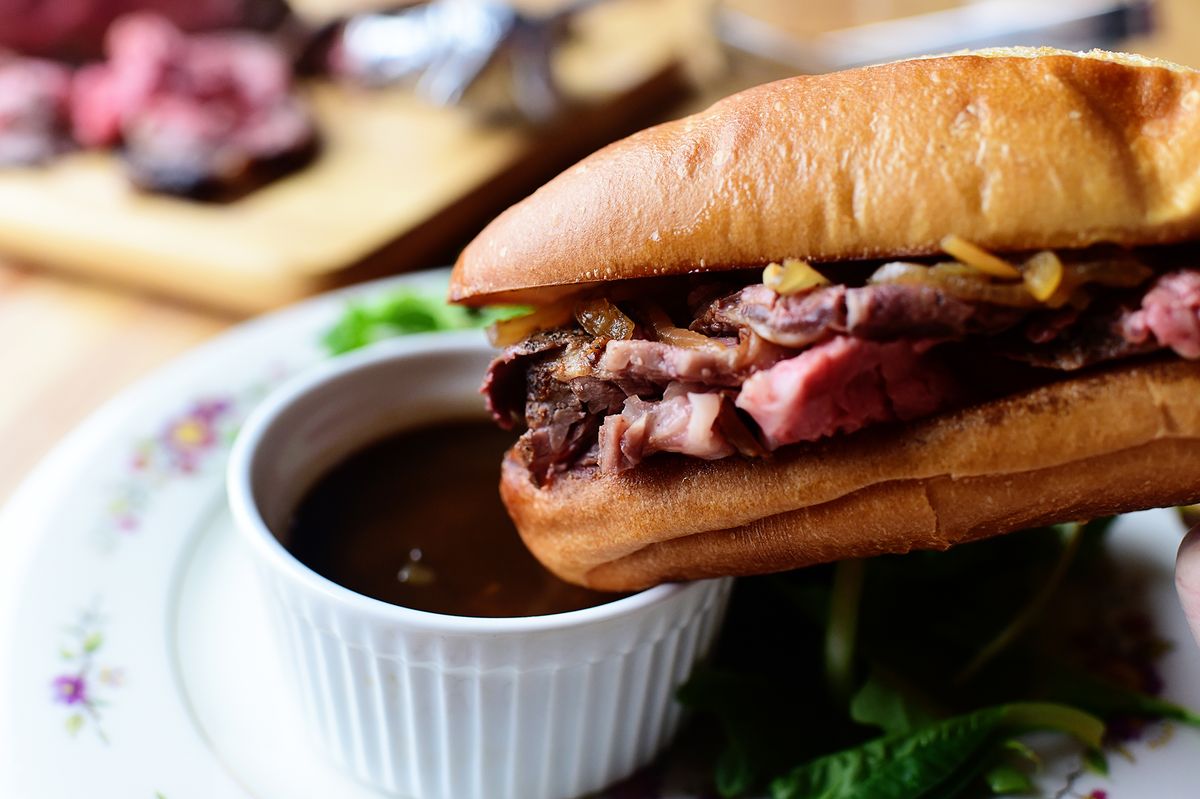
- French Dip Sandwiches Recipe40 Minutes
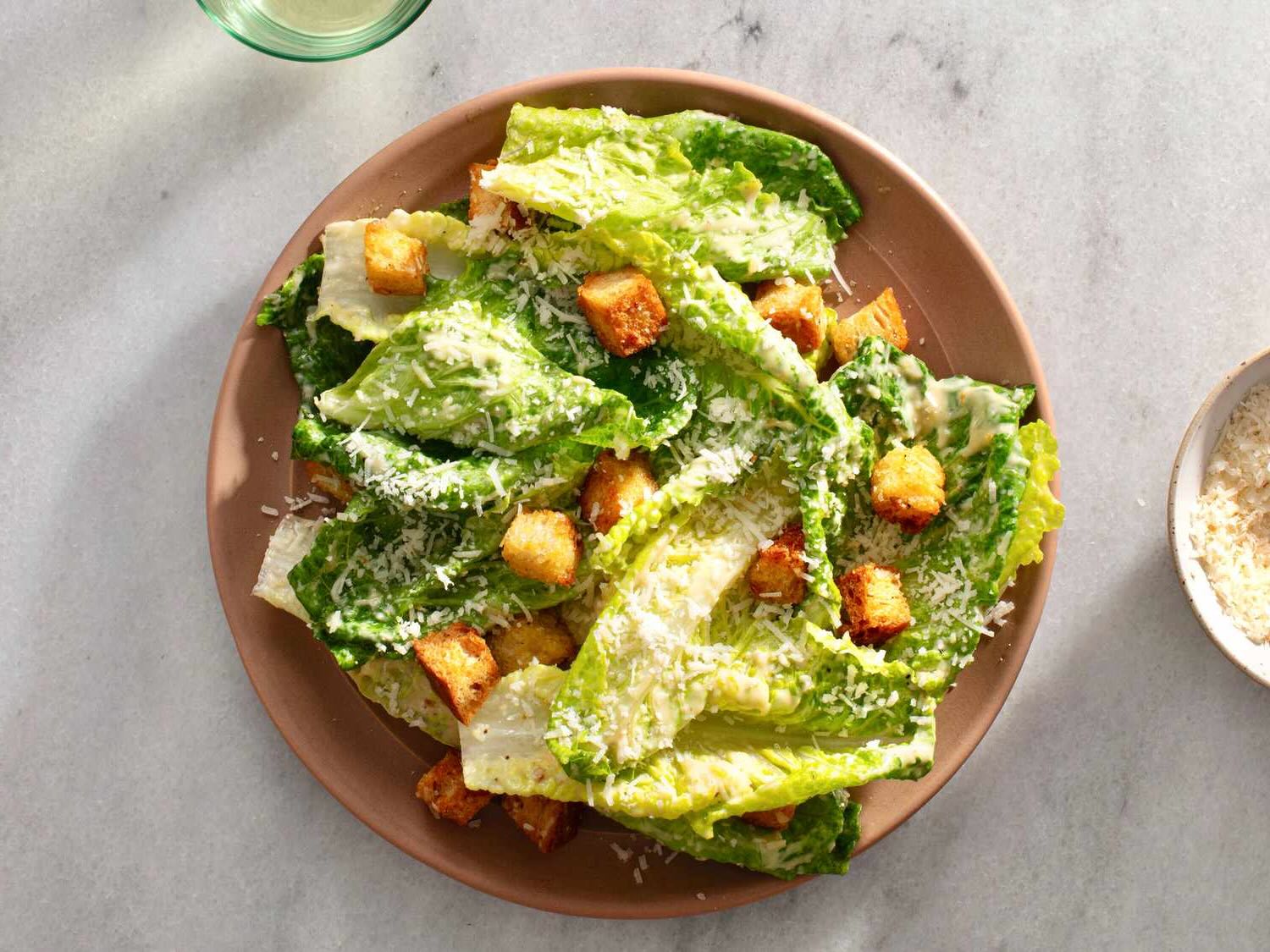
- Caesar Salad Recipe15 Minutes
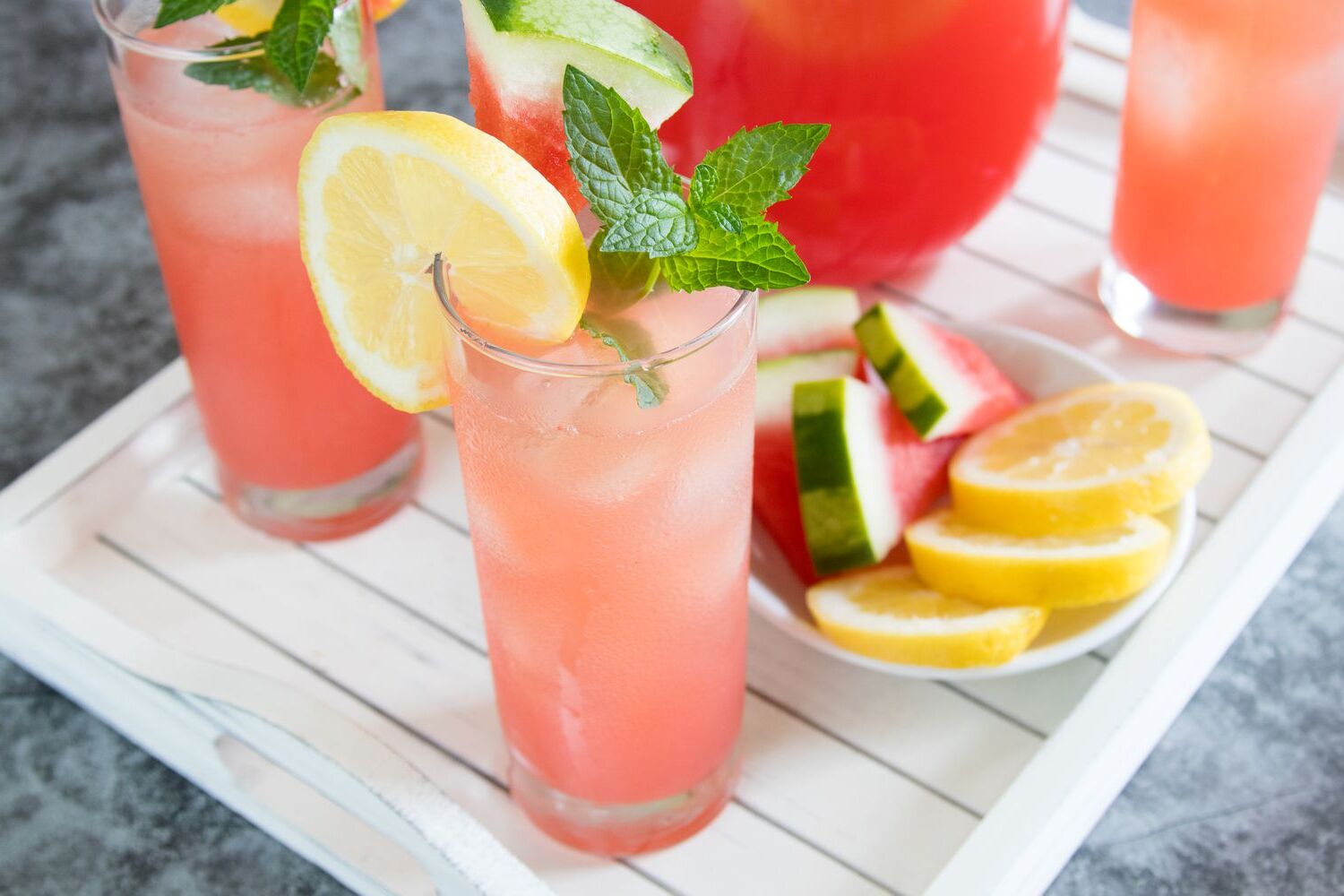
- Watermelon Lemonade Recipe10 Minutes
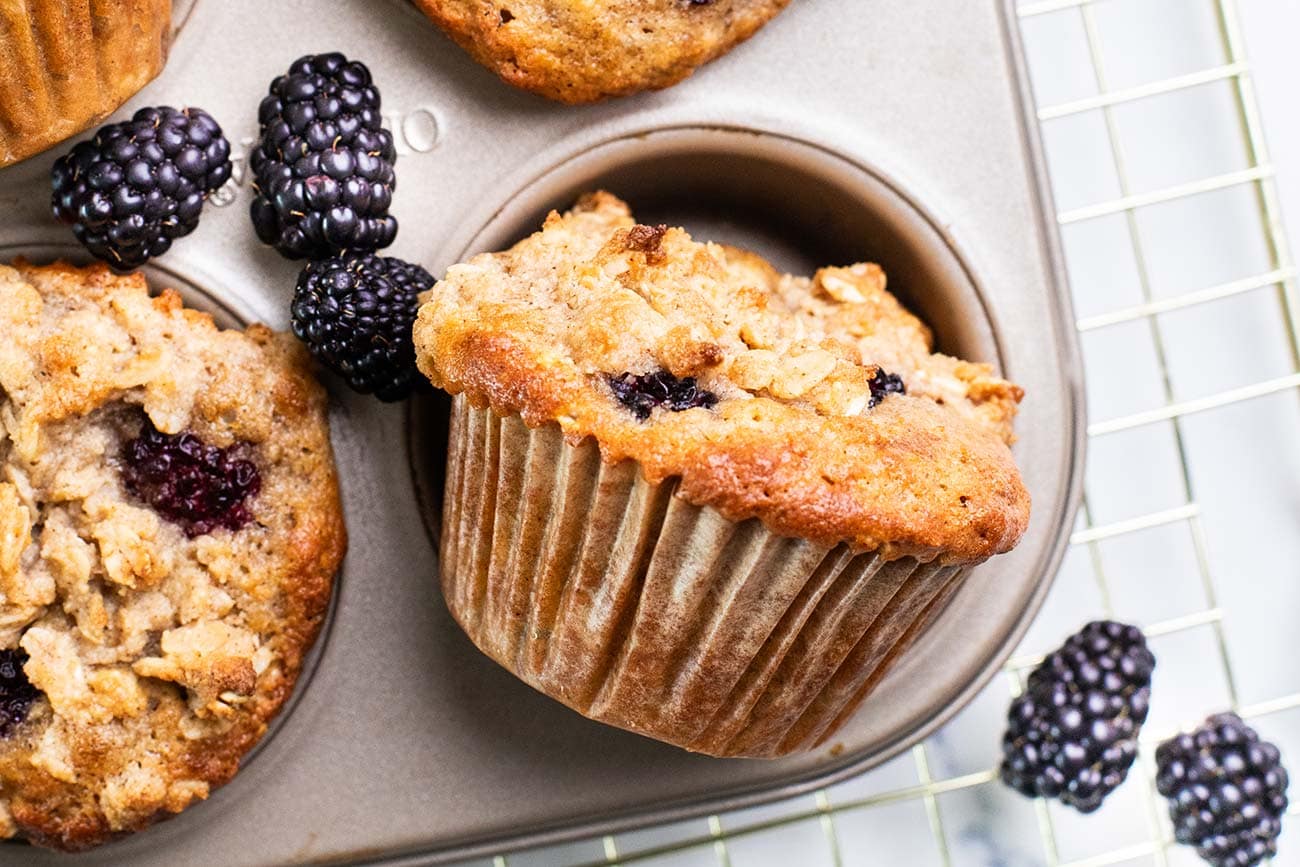
- Blackberry Muffins Recipe35 Minutes
- Air Fryer Burgers Recipe25 Minutes
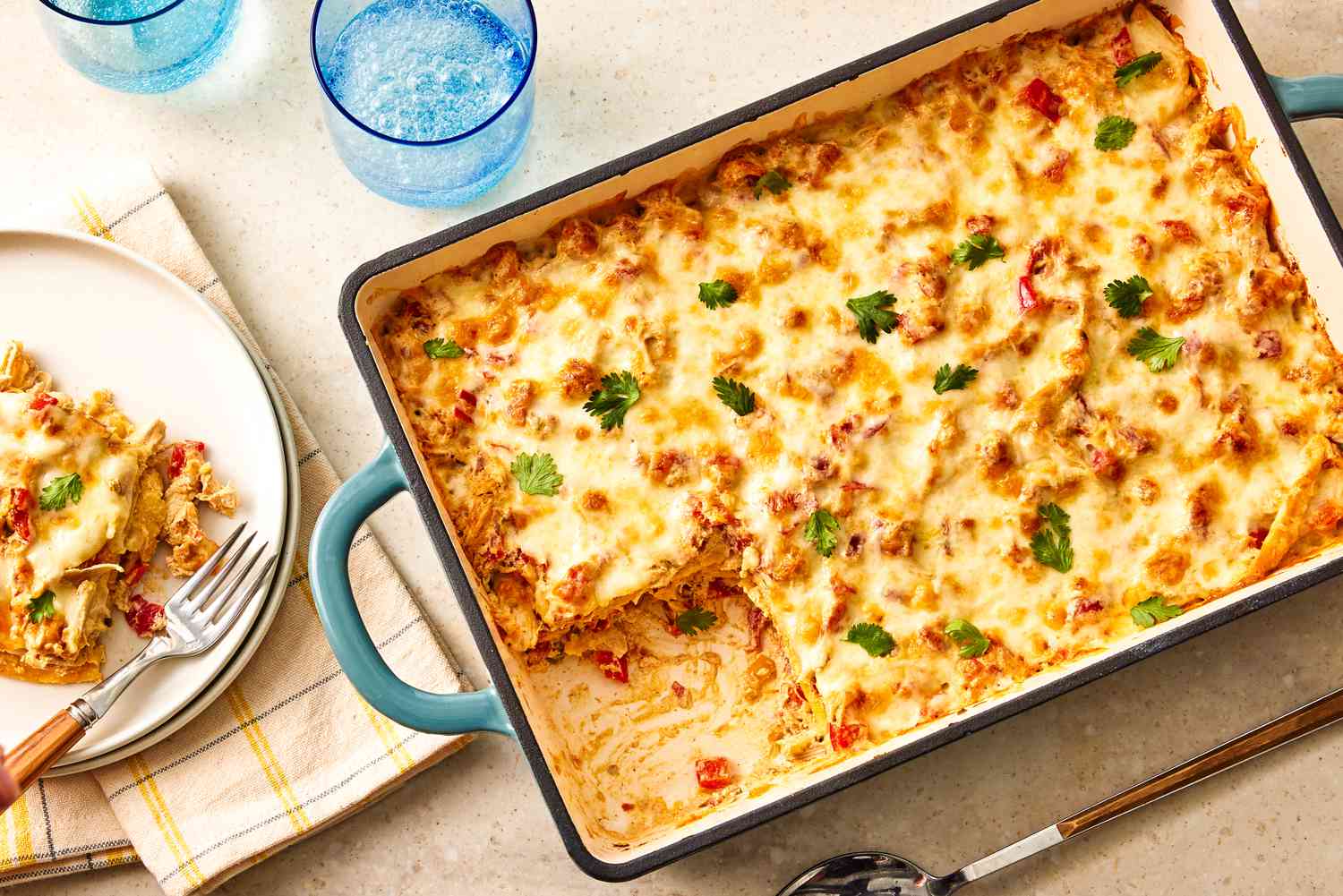
- King Ranch Chicken Casserole Recipe1 Hours
- Vegetable Loaded Potato Stew Recipe1 Hours



Leave a Reply