This Asian ginger dressing is a delightful blend of flavors that can elevate any salad or dish. With its perfect balance of savory, sweet, and tangy notes, it brings a refreshing twist to your meals. The combination of soy sauce, rice vinegar, and fresh ginger creates a harmonious taste that is both vibrant and satisfying.
Some ingredients in this recipe might not be commonly found in every household. Rice vinegar and sesame oil are staples in Asian cuisine but may require a trip to the supermarket if you don't already have them. Fresh ginger is essential for the authentic flavor, so make sure to pick some up if it's not a regular in your pantry.
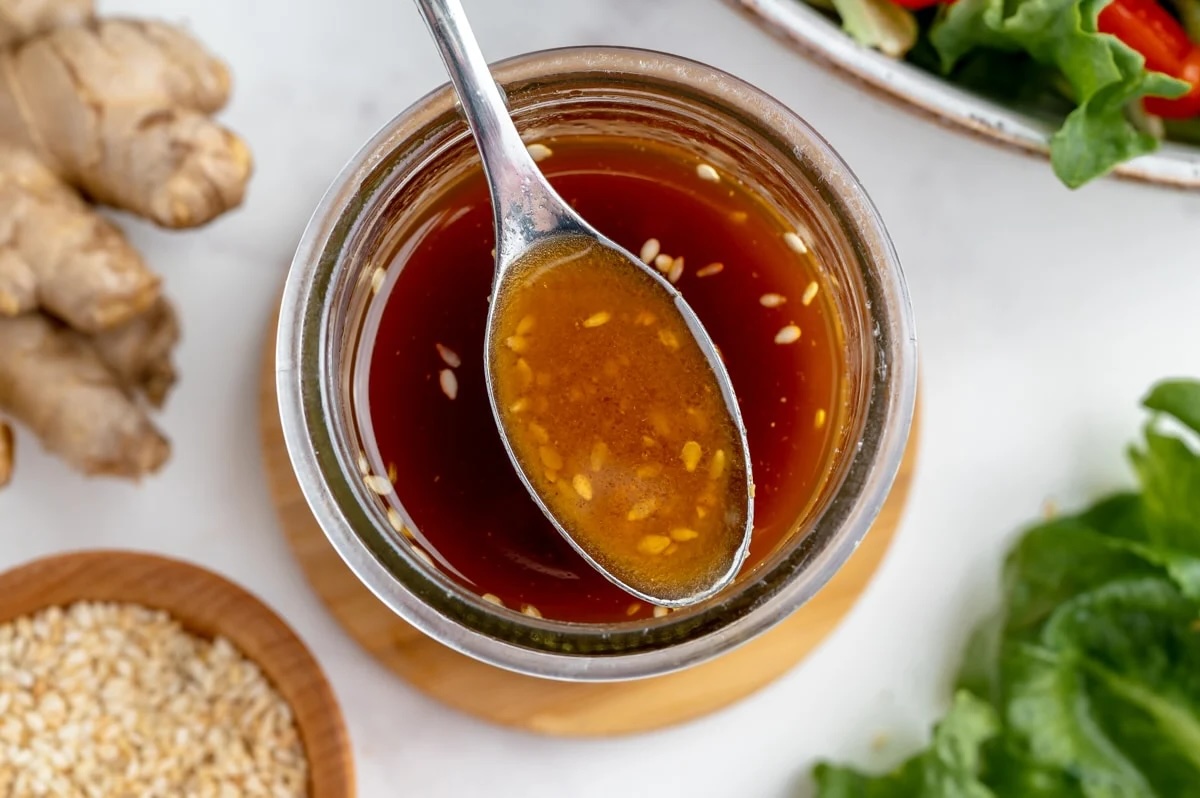
Ingredients For Asian Ginger Dressing Recipe
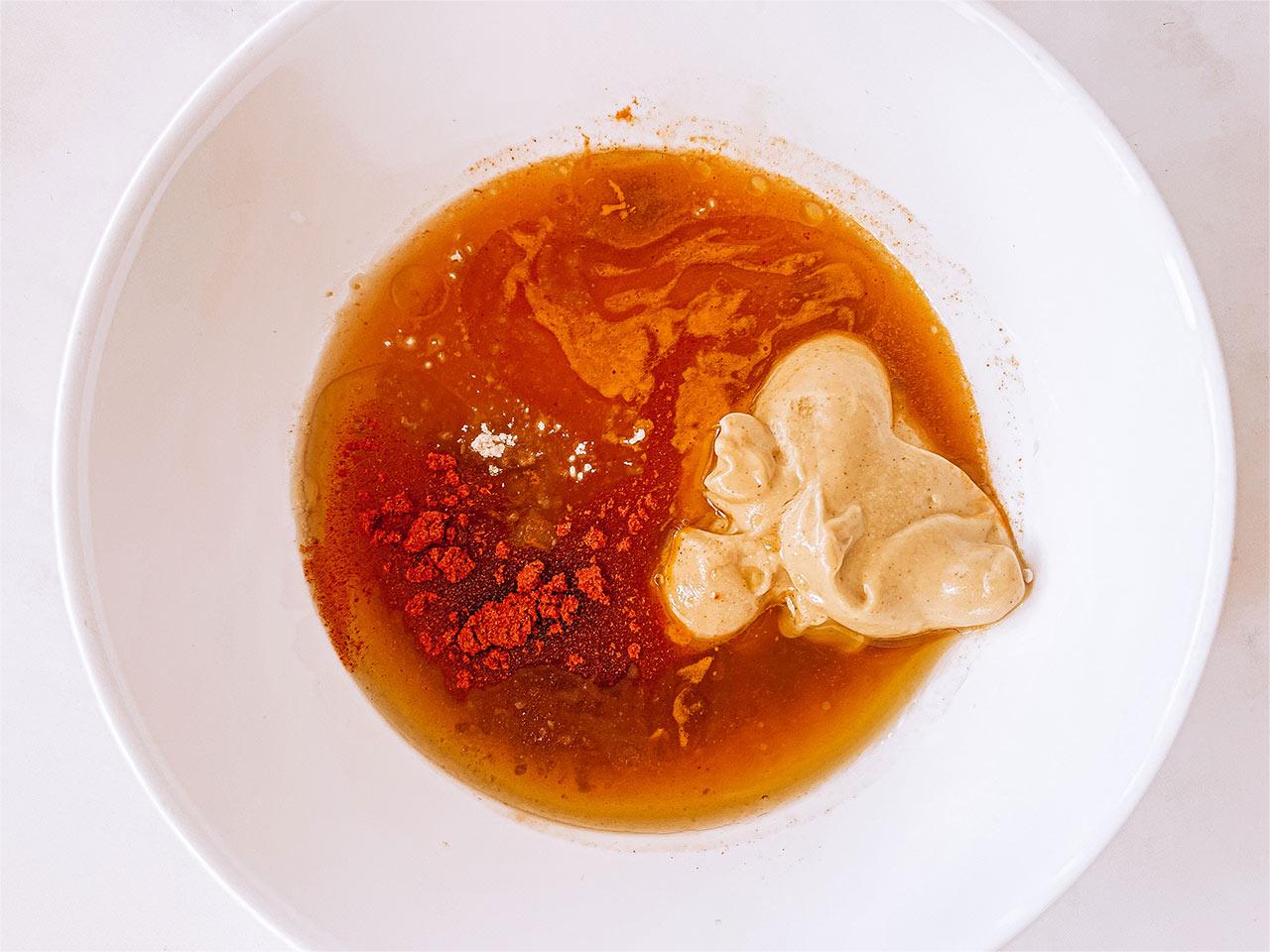
Soy sauce: A salty and savory liquid made from fermented soybeans, essential for adding depth of flavor.
Rice vinegar: A mild and slightly sweet vinegar made from fermented rice, perfect for balancing the dressing.
Olive oil: A healthy fat that helps to emulsify the dressing and add a smooth texture.
Honey: A natural sweetener that balances the acidity and adds a touch of sweetness.
Fresh ginger: Grated to release its pungent and spicy flavor, crucial for the dressing's zing.
Garlic: Minced to add a robust and aromatic depth to the dressing.
Sesame oil: A fragrant oil made from toasted sesame seeds, adding a nutty and rich flavor.
Technique Tip for This Dressing
When preparing this Asian ginger dressing, ensure that the fresh ginger is finely grated to maximize its flavor and ensure a smooth texture. Using a microplane grater can help achieve the perfect consistency. Additionally, allow the dressing to sit for at least 30 minutes in the refrigerator before serving to let the flavors meld together.
Suggested Side Dishes
Alternative Ingredients
soy sauce - Substitute with tamari: Tamari is a gluten-free alternative to soy sauce with a similar umami flavor.
soy sauce - Substitute with coconut aminos: Coconut aminos is a soy-free and gluten-free alternative that provides a slightly sweeter taste.
rice vinegar - Substitute with apple cider vinegar: Apple cider vinegar has a similar acidity and can be used in equal amounts.
rice vinegar - Substitute with white wine vinegar: White wine vinegar has a comparable tangy flavor and can be used as a direct replacement.
olive oil - Substitute with grapeseed oil: Grapeseed oil has a neutral flavor and similar consistency, making it a good substitute.
olive oil - Substitute with canola oil: Canola oil is another neutral-flavored oil that works well in dressings.
honey - Substitute with maple syrup: Maple syrup provides a similar sweetness and can be used in equal amounts.
honey - Substitute with agave nectar: Agave nectar is a vegan alternative that has a similar sweetness to honey.
fresh ginger - Substitute with ground ginger: Use ¼ teaspoon of ground ginger for every tablespoon of fresh ginger.
fresh ginger - Substitute with ginger paste: Ginger paste can be used in the same amount as fresh ginger for a similar flavor.
garlic - Substitute with garlic powder: Use ⅛ teaspoon of garlic powder for every clove of garlic.
garlic - Substitute with shallots: Shallots provide a milder garlic flavor and can be minced and used in place of garlic.
sesame oil - Substitute with toasted sesame oil: Toasted sesame oil has a stronger flavor, so use half the amount.
sesame oil - Substitute with peanut oil: Peanut oil has a nutty flavor that can complement the dressing, though it is less intense than sesame oil.
Other Alternative Recipes Similar to This Dressing
How to Store or Freeze This Dressing
Once you've prepared your Asian ginger dressing, transfer it to a clean, airtight container such as a glass jar or a BPA-free plastic container. This helps maintain its freshness and prevents any unwanted flavors from seeping in.
Store the container in the refrigerator. The dressing should stay fresh for up to one week. Always give it a good shake before using, as the ingredients may separate over time.
If you wish to keep the dressing for a longer period, consider freezing it. Pour the dressing into ice cube trays, leaving a little space at the top of each compartment to allow for expansion as it freezes.
Once the dressing cubes are fully frozen, pop them out and transfer them to a freezer-safe bag or container. Label the bag with the date to keep track of its freshness. These frozen cubes can be stored for up to three months.
When you're ready to use the frozen dressing, simply take out the desired number of cubes and let them thaw in the refrigerator. Alternatively, you can place them in a bowl and allow them to come to room temperature.
For a quick thaw, you can also microwave the cubes on a low setting, but be cautious not to overheat and alter the flavor profile of the dressing.
Always taste the dressing after thawing and adjust the seasoning if necessary. Sometimes freezing can slightly dull the flavors, so a splash of soy sauce or a bit more fresh ginger might be needed to bring it back to its original zest.
Avoid refreezing the dressing once it has been thawed, as this can compromise both the texture and flavor.
How to Reheat Leftovers
Gently warm the Asian ginger dressing in a small saucepan over low heat. Stir occasionally to ensure even heating and prevent the olive oil from separating. This method preserves the fresh flavors of the ginger and garlic.
Alternatively, place the dressing in a microwave-safe bowl. Cover it with a microwave-safe lid or a damp paper towel to avoid splatters. Heat on medium power in 15-second intervals, stirring in between, until it reaches the desired temperature.
For a more controlled reheating, use a double boiler. Fill the bottom pot with water and bring it to a simmer. Place the dressing in the top pot and stir occasionally until warmed through. This gentle method helps maintain the integrity of the honey and sesame oil.
If you prefer a cold dressing, simply take it out of the refrigerator and let it sit at room temperature for about 15-20 minutes. Give it a good shake or stir before using to re-emulsify the ingredients.
Best Tools for Making This Dressing
Blender: Use this to combine all the ingredients and blend them until smooth.
Measuring cups: These are essential for accurately measuring the soy sauce, rice vinegar, and olive oil.
Measuring spoons: Use these to measure out the honey, fresh ginger, and sesame oil.
Grater: This is needed to grate the fresh ginger.
Garlic press: Use this to mince the garlic clove efficiently.
Jar: Store the finished dressing in this container and refrigerate.
How to Save Time on This Recipe
Use pre-minced garlic and ginger: Save time by using store-bought minced garlic and ginger instead of grating and mincing fresh ones.
Measure ingredients in advance: Measure out the soy sauce, rice vinegar, olive oil, and honey beforehand to streamline the process.
Use a jar for mixing: Combine all ingredients in a jar with a tight lid and shake vigorously instead of using a blender. This reduces cleanup time.
Double the recipe: Make a larger batch and store it in the fridge for future use, saving time on subsequent preparations.
Asian Ginger Dressing
Ingredients
Main Ingredients
- ¼ cup Soy sauce
- ¼ cup Rice vinegar
- ¼ cup Olive oil
- 2 tablespoon Honey
- 1 tablespoon Fresh ginger, grated
- 1 clove Garlic, minced
- 1 teaspoon Sesame oil
Instructions
- Combine all ingredients in a blender.
- Blend until smooth.
- Adjust seasoning to taste.
- Store in a jar and refrigerate.
Nutritional Value
Keywords
More Amazing Recipes to Try 🙂
- Mocha Coffee Recipe10 Minutes
- Air Fried Bologna Sandwich Recipe15 Minutes
- Lemon Curd Recipe20 Minutes
- Apple Muffins Recipe35 Minutes
- Japanese Egg Salad Sandwich Recipe20 Minutes
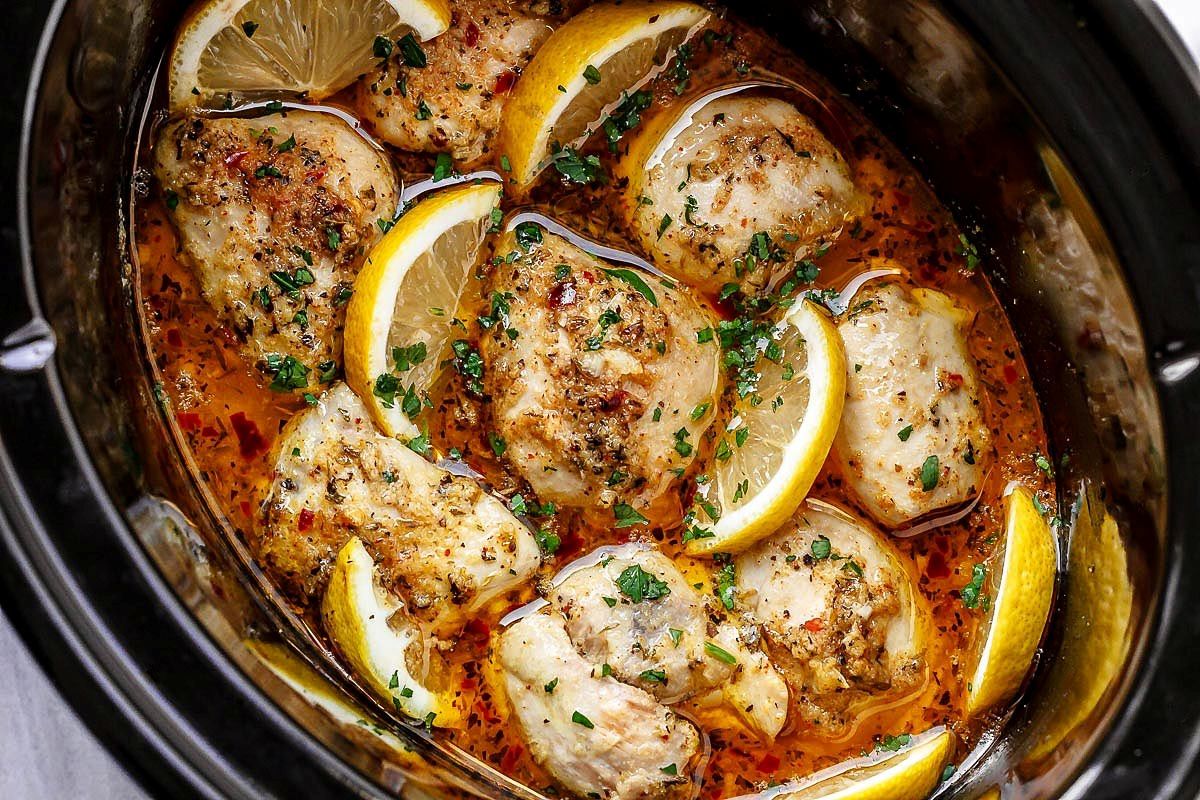
- Slow Cooker Chicken Recipe4 Hours 10 Minutes
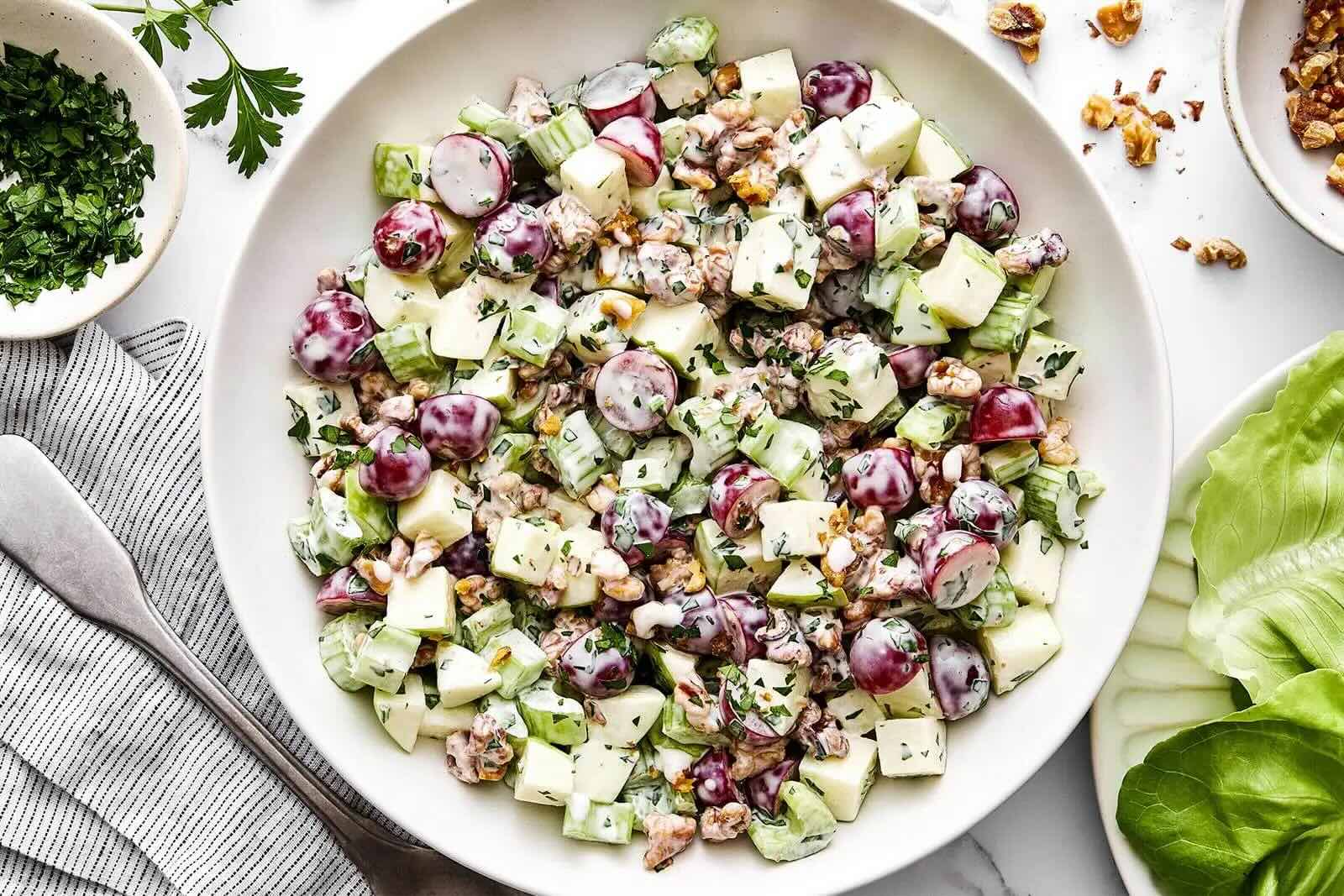
- Waldorf Salad Recipe15 Minutes
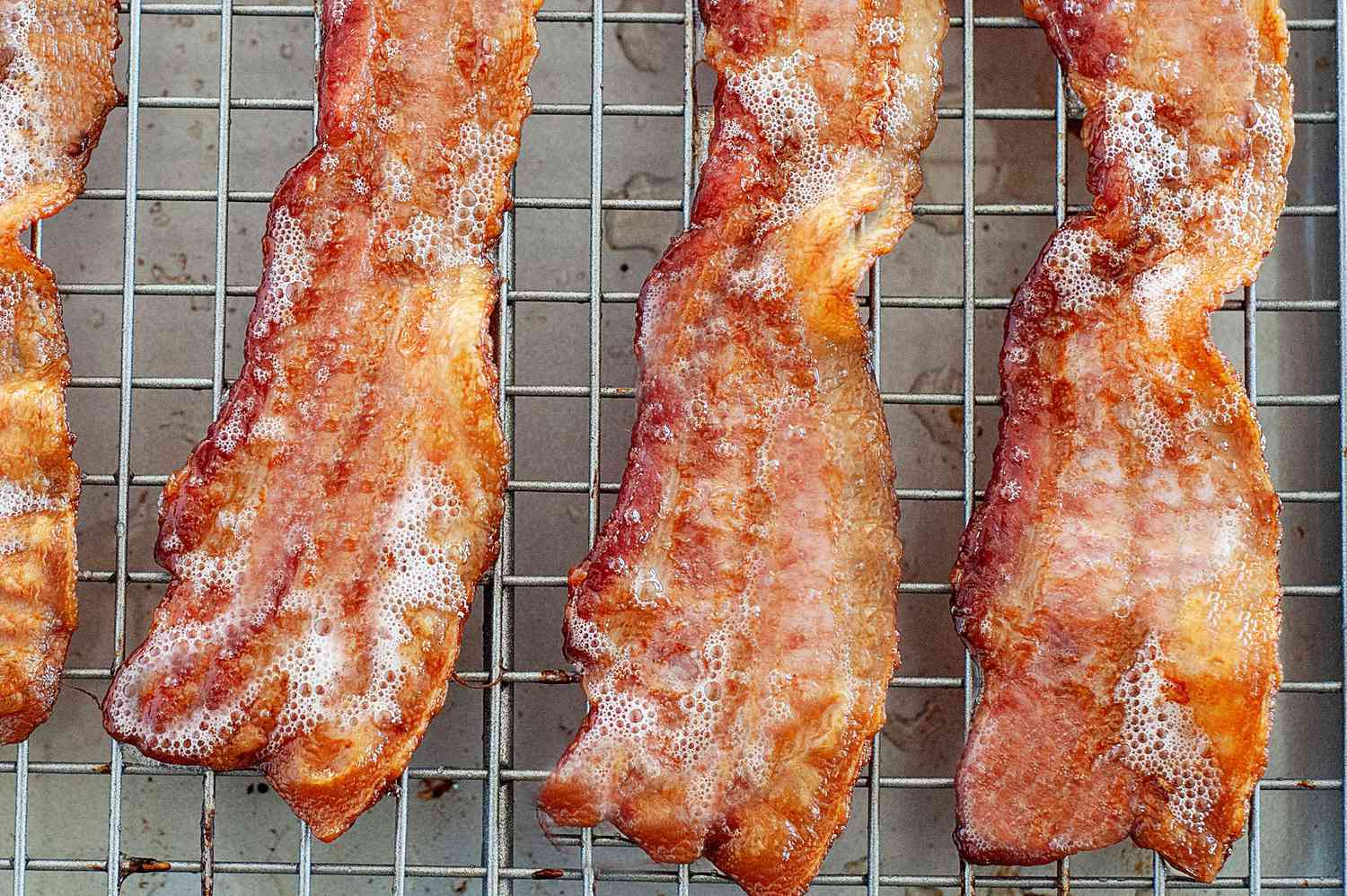
- Oven Baked Bacon Recipe25 Minutes



Leave a Reply