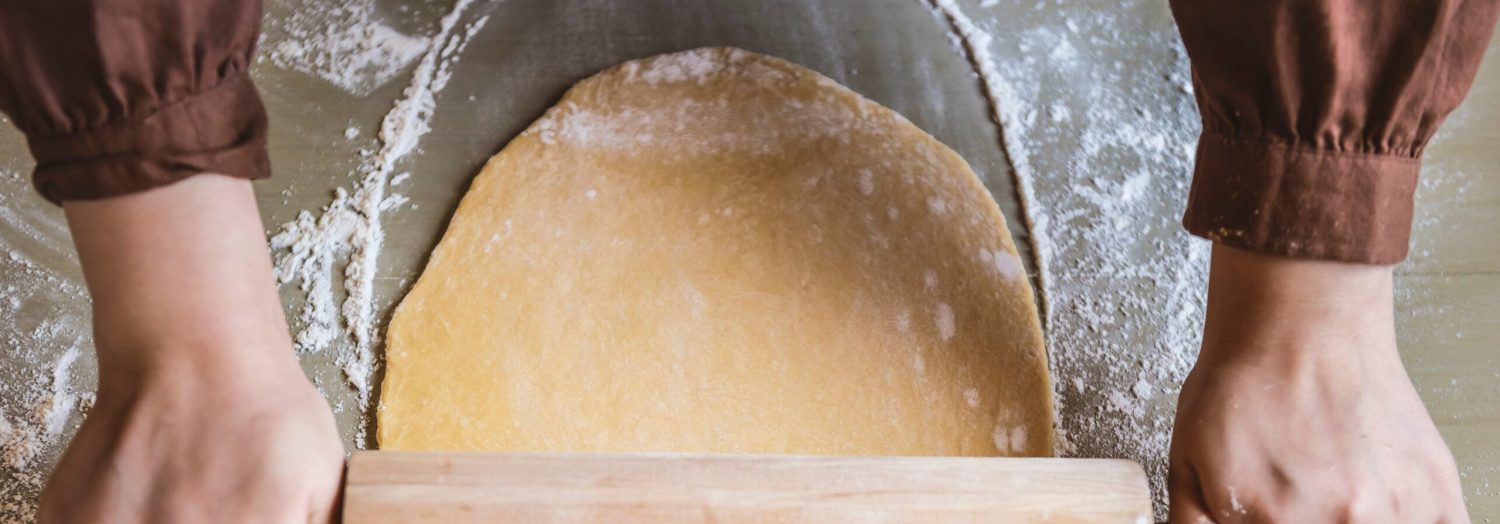
Ladyfingers are delicate, sponge-like cookies that are often used in desserts like tiramisu and charlotte. They have a light, airy texture and a slightly sweet flavor, making them perfect for soaking up flavors from creams and syrups.
Most of the ingredients for this recipe are common pantry items, but you may need to ensure you have vanilla extract on hand. This ingredient adds a subtle, sweet aroma and flavor to the ladyfingers. Additionally, make sure you have powdered sugar for dusting, which gives the cookies a delicate finish.
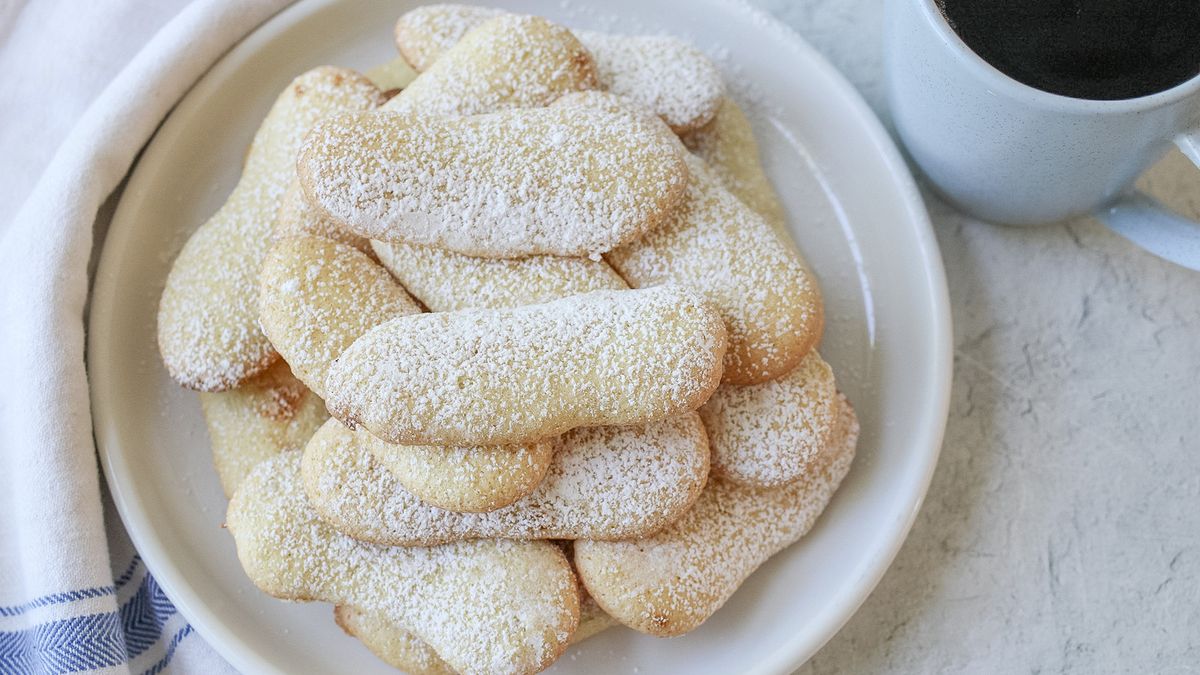
Ingredients for Ladyfingers Recipe
Eggs: Provide structure and richness to the ladyfingers.
Granulated sugar: Adds sweetness and helps stabilize the egg whites.
All-purpose flour: Gives the ladyfingers their body and texture.
Salt: Enhances the overall flavor of the ladyfingers.
Vanilla extract: Adds a subtle, sweet aroma and flavor.
Powdered sugar: Used for dusting, giving the ladyfingers a delicate finish.
Technique Tip for Making Ladyfingers
When folding the egg yolk mixture into the egg whites, use a gentle motion to avoid deflating the batter. A rubber spatula works best for this technique. Start by adding a small portion of the egg whites to the egg yolk mixture to lighten it, then gradually fold in the rest. This ensures a light and airy texture for your ladyfingers.
Suggested Side Dishes
Alternative Ingredients
3 large separated eggs - Substitute with ¾ cup unsweetened applesauce: Applesauce can provide moisture and binding properties similar to eggs, making it a suitable substitute for a vegan or egg-free version.
½ cup divided granulated sugar - Substitute with ½ cup coconut sugar: Coconut sugar has a lower glycemic index and adds a slight caramel flavor, making it a healthier alternative.
½ cup sifted all-purpose flour - Substitute with ½ cup almond flour: Almond flour is gluten-free and adds a nutty flavor, suitable for those with gluten intolerance.
¼ teaspoon salt - Substitute with ¼ teaspoon sea salt: Sea salt can provide a more complex flavor profile and is less processed than table salt.
½ teaspoon vanilla extract - Substitute with ½ teaspoon almond extract: Almond extract offers a different but complementary flavor, adding a unique twist to the recipe.
¼ cup for dusting powdered sugar - Substitute with ¼ cup for dusting cocoa powder: Cocoa powder can add a rich, chocolatey flavor and is a lower sugar option for dusting.
Other Alternative Recipes Similar to This
How to Store or Freeze This Recipe
Allow the ladyfingers to cool completely on a wire rack before storing or freezing. This ensures they maintain their texture and don't become soggy.
For short-term storage, place the ladyfingers in an airtight container. They can be kept at room temperature for up to 2-3 days. Make sure the container is sealed well to keep them fresh and crisp.
If you need to store them for a longer period, consider freezing. Arrange the ladyfingers in a single layer on a baking sheet and place them in the freezer for about an hour. This step prevents them from sticking together.
Once frozen, transfer the ladyfingers to a freezer-safe bag or container. Label the container with the date to keep track of their freshness. They can be frozen for up to 2 months.
When ready to use, remove the desired number of ladyfingers from the freezer and let them thaw at room temperature for about 15-20 minutes. They will retain their texture and flavor, making them perfect for your next dessert creation.
If you prefer a slightly crispier texture after thawing, you can refresh the ladyfingers by placing them in a preheated oven at 300°F (150°C) for a few minutes. This will help restore their original crispness.
Always ensure that the ladyfingers are completely cool before storing or freezing to prevent condensation, which can make them soggy.
How to Reheat Leftovers
Preheat your oven to 300°F (150°C). Place the ladyfingers on a baking sheet lined with parchment paper. Warm them for about 5-7 minutes, or until they are heated through and slightly crisp. This method helps to retain their delicate texture.
If you prefer a quicker method, use a toaster oven. Set it to a low temperature, around 300°F (150°C), and heat the ladyfingers for 3-5 minutes. Keep an eye on them to prevent over-browning.
For a microwave option, place the ladyfingers on a microwave-safe plate. Cover them with a damp paper towel to prevent drying out. Microwave on medium power for 10-15 seconds. This method is best for a quick reheat but may slightly alter the texture.
If you have an air fryer, preheat it to 300°F (150°C). Arrange the ladyfingers in a single layer in the basket. Heat for 3-4 minutes, checking frequently to ensure they don't overcook. This method can help maintain their crispiness.
For a stovetop method, use a non-stick skillet over low heat. Place the ladyfingers in the skillet and cover with a lid. Heat for 2-3 minutes on each side, or until warmed through. This method can give them a slight toasty flavor.
Best Tools for Making Ladyfingers
Oven: Used to bake the ladyfingers at a precise temperature of 350°F (175°C).
Baking sheet: A flat sheet used to hold the parchment paper and ladyfinger batter while baking.
Parchment paper: Non-stick paper that lines the baking sheet to prevent the ladyfingers from sticking.
Mixing bowl: A large bowl used to beat the egg whites and another for the egg yolks.
Electric mixer: A handheld or stand mixer used to beat the egg whites and egg yolks to the desired consistency.
Spatula: A flexible tool used to gently fold the egg yolk mixture into the egg whites.
Sifter: A tool used to sift the flour and salt over the egg mixture to ensure even distribution and to avoid lumps.
Piping bag: A bag fitted with a plain round tip used to pipe the batter into 3-inch long strips.
Plain round tip: An attachment for the piping bag that helps in forming uniform strips of batter.
Wire rack: A cooling rack used to cool the baked ladyfingers evenly after they come out of the oven.
Measuring cups: Used to measure the precise amounts of granulated sugar, flour, and powdered sugar.
Measuring spoons: Used to measure smaller quantities like salt and vanilla extract.
How to Save Time on This Recipe
Prepare ingredients in advance: Measure and sift the flour and sugar ahead of time to streamline the process.
Use a stand mixer: A stand mixer can beat the egg whites and egg yolks simultaneously, saving you time.
Preheat the oven early: Ensure your oven is preheated to the right temperature before you start mixing the ingredients.
Pipe efficiently: Use a piping bag with a plain round tip to quickly and uniformly pipe the batter onto the baking sheet.
Cool quickly: Transfer ladyfingers to a wire rack immediately after baking to cool faster.
Ladyfingers Recipe
Ingredients
Main Ingredients
- 3 large Eggs separated
- ½ cup Granulated sugar divided
- ½ cup All-purpose flour sifted
- ¼ teaspoon Salt
- ½ teaspoon Vanilla extract
- ¼ cup Powdered sugar for dusting
Instructions
- Preheat your oven to 350°F (175°C). Line a baking sheet with parchment paper.
- In a mixing bowl, beat the egg whites until soft peaks form. Gradually add half of the granulated sugar and continue to beat until stiff peaks form.
- In another bowl, beat the egg yolks with the remaining sugar until thick and pale. Add the vanilla extract and mix well.
- Gently fold the egg yolk mixture into the egg whites. Sift the flour and salt over the mixture and gently fold until combined.
- Transfer the batter to a piping bag fitted with a plain round tip. Pipe 3-inch long strips onto the prepared baking sheet, spacing them about 1 inch apart.
- Dust the ladyfingers with powdered sugar. Bake for 12-15 minutes, or until lightly golden. Cool on a wire rack.
Nutritional Value
Keywords
Suggested Appetizers and Main Courses
More Amazing Recipes to Try 🙂
- Mocha Coffee Recipe10 Minutes
- Air Fried Bologna Sandwich Recipe15 Minutes
- Lemon Curd Recipe20 Minutes
- Apple Muffins Recipe35 Minutes
- Japanese Egg Salad Sandwich Recipe20 Minutes
- Slow Cooker Chicken Recipe4 Hours 10 Minutes
- Waldorf Salad Recipe15 Minutes
- Oven Baked Bacon Recipe25 Minutes

Leave a Reply